

Event Highlights: SEAMEO Centres Policy Research Network Summit 2026
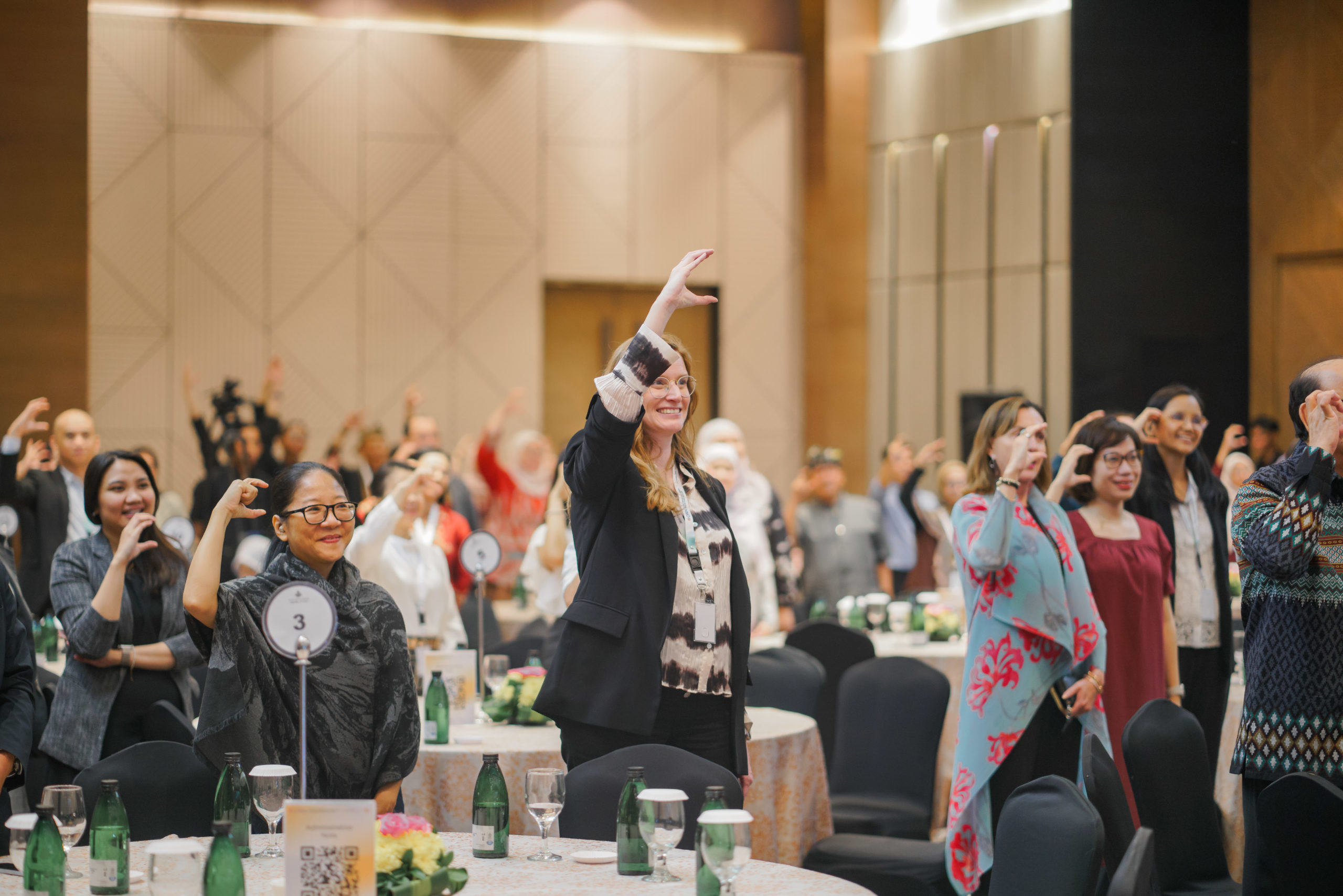
The SEAMEO Centres Policy Research Network (CPRN) Summit 2026, hosted by the Southeast Asian Ministers of Education Organization (SEAMEO) Regional Centre for Early Childhood Care Education and Parenting (CECCEP) and organised in collaboration with the KIX EMAP Hub and other partners, was held on 9–11 June 2026 in Jakarta, Indonesia, under the theme “Bridging Research, Policy, and Practice: Pathways toward an Inclusive, Equitable and Sustainable Future.” The Summit convened over 200 policymakers, senior government officials, researchers, academics, university leaders, practitioners, and development partners from more than 10 countries to advance dialogue and collaboration on inclusive, equitable, and sustainable education transformation across Southeast Asia and beyond. Throughout the Summit, numerous GPE KIX representatives contributed as keynote speakers, panellists, moderators, and facilitators, sharing evidence and practical experiences on strengthening education systems across the region.
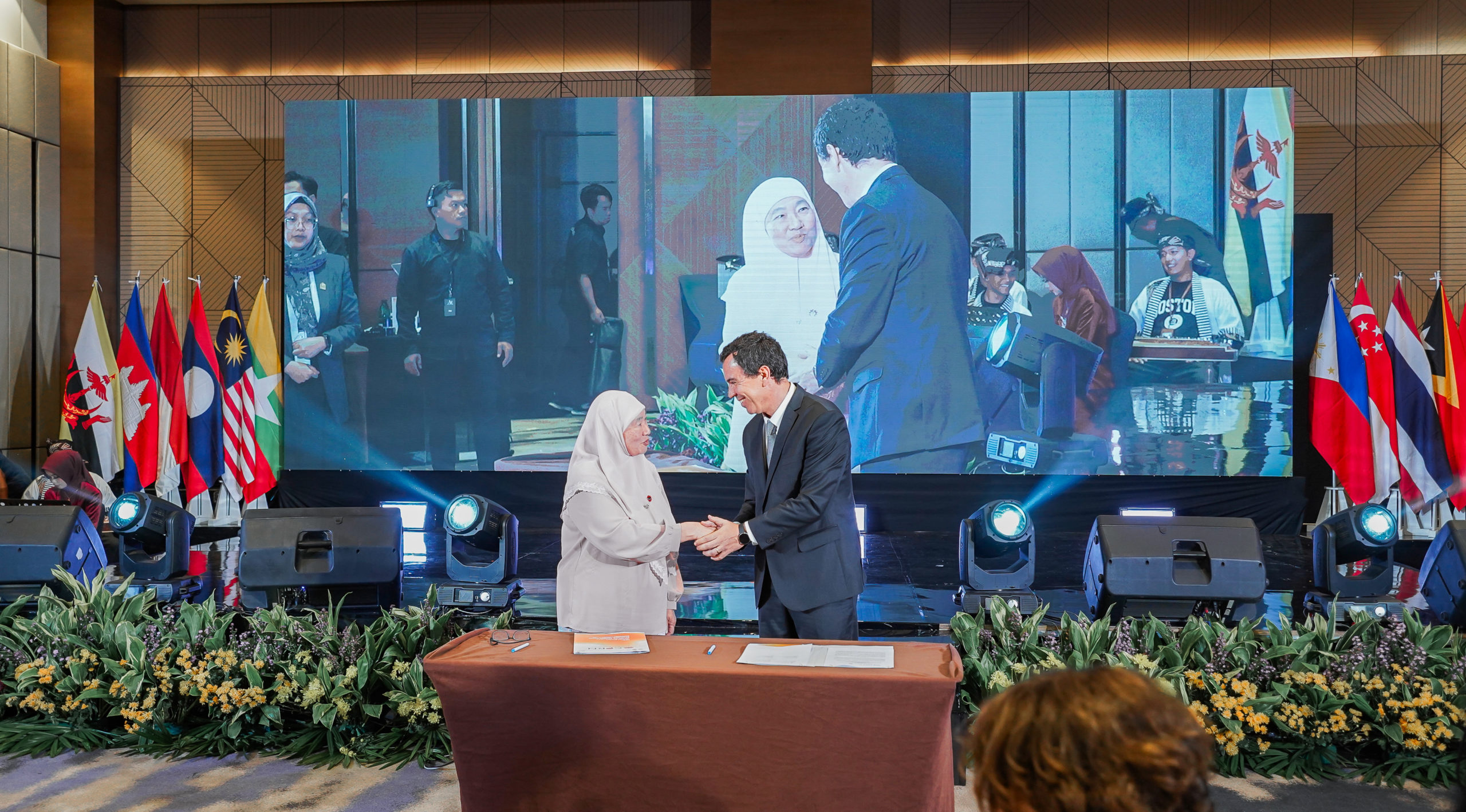
Building on this shared commitment, one of the Summit’s major outcomes was the signing of a Memorandum of Understanding (MoU) between the KIX EMAP Hub and SEAMEO Secretariat, formalising a strategic partnership to strengthen education systems across Southeast Asia through knowledge exchange, collaborative learning, and the use of research and evidence in policy and education practice. Signed by José Luís Canêlhas, Director of the KIX EMAP Hub, and Datuk Habibah Abdul Rahim, Director of the SEAMEO Secretariat, the agreement reinforces both initiatives’ commitment to fostering stronger regional collaboration among policymakers, researchers, and education practitioners while expanding opportunities to generate, mobilise, and apply evidence in support of more equitable, inclusive, and resilient education systems across the region.
The Summit opened with Indonesia’s Minister of Primary and Secondary Education, Prof. Dr. Abdul Mu’ti, M.Ed, calling on the region to make the most of its large and growing young population through inclusive, technology-enabled education, stressing that innovations such as artificial intelligence (AI) must serve as bridges, not barriers, for learners with disabilities and those in remote or low-connectivity areas. He urged stronger collaboration between research, policy, and practice to advance equitable, inclusive, and future-ready education across Southeast Asia.
Following the Minister’s opening remarks, the first plenary session brought together regional leaders to examine system-level approaches to inclusive education. Marco Mantovanelli, GPE’s Regional Manager for Asia & Pacific, Europe, Latin America & the Caribbean, and the Middle East, highlighted how GPE supports partner countries through policy dialogue, financing, and institutional reforms. He cited Cambodia’s integrated reforms in education data, assessment, and financing, as well as Indonesia’s Knowledge and Education Reform through Active Collaboration (KREASI) programme, which promotes evidence-informed policymaking and more inclusive education systems. During the same session, Sangay Jamtsho, Senior Program Officer at GPE KIX/IDRC, outlined GPE KIX’s three pillars – knowledge generation, capacity strengthening, and knowledge mobilisation. He illustrated the partnership’s Southern-led approach through examples of early childhood policy reforms in Lao PDR and Vietnam.
Later on day one, a parallel session hosted by GPE KIX showcased research initiatives from across Southeast Asia, highlighting both progress and persistent implementation challenges in translating research into policy and practice. Moderated by Aditi Desai, KIX EMAP Knowledge Lead for Southeast Asia, session presentations included Nhu Thi Huong Do from RMIT University Vietnam on redesigning early childhood teacher professional development policy; Widi Sari from the Child Protection and Wellbeing (PUSKAPA) Indonesia on strengthening the implementation of school violence prevention and management policies; two presentations from Cresti Fitriana from UNESCO, one on Lifting Barriers: Educating Boys for Gender Equality in Cambodia and another one on building evidence for gender and education data through Indonesia’s Accountability for Gender Equality in Education (AGEE) process; and Dr. Thi Ly Le from Mekong Development Research Institute (MDRI) on strengthening education systems for equity through climate resilience. Together, these presentations underscored the importance of regional collaboration and evidence-informed policymaking in advancing more inclusive, equitable, and sustainable education systems.
During the second day of the Summit and as part of a plenary session on Artificial Intelligence for Equity Practices, Vietnam National Institute of Education Sciences (VNIES) Director General Le Anh Vinh presented Vietnam’s experience in translating national AI policy into classroom implementation, highlighting teacher competency and data privacy as persistent challenges to scaling the effective and responsible use of AI in schools. VNIES is currently leading a KIX EMAP Rapid Customised Country Support (RCCS) activity on this thematic area.
The last day opened with a keynote session by Gita Steiner-Khamsi, Lead Researcher at the KIX EMAP Hub, who offered a comparative perspective on how education reform diffuses across systems and cautioned that evidence alone rarely drives change without political alignment, institutional capacity, and sustained policy commitment. This was followed by a session focused on key takeaways from the KIX EMAP RCCS in Indonesia: Learning Cycle on the use of data for education policies.
The session started with Fransisca Nur’aini Krisna, Head of the Balai Pengelolaan Pengujian Pendidikan, Agency for Standards, Curriculum, and Educational Assessment (BSKAP), Ministry of Primary and Secondary Education, Indonesia, presenting the country’s integrated education data ecosystem, including Asesmen Nasional, Rapor Pendidikan, and Dapodik. She emphasised that Indonesia’s central challenge is no longer the availability of data, but its effective translation into policy action. The session continued with a presentation by Nisa Felicia, Executive Director of PSPK and KIX National Coordinator for Indonesia, on the RCCS initiative in Indonesia. She highlighted how the initiative has been used as one of the strategies to address challenges identified by the Ministry in using education data to inform policy action. The RCCS approach brought together policymakers, researchers, and education practitioners from different provinces across Indonesia to support more evidence-informed policy and planning decisions. The session also provided an opportunity for the different Learning Cycle teams to present the results of their collaborative work, which focused on using data to develop policy briefs on priority areas identified by the Ministry of Education, including foundational competencies, socio-emotional learning, and equity.
The Summit concluded with a closed-door strategic dialogue on advancing policy research collaboration and evidence-informed policymaking in Southeast Asia, co-facilitated by the SEAMEO Secretariat and the KIX EMAP Hub. The session brought together representatives from SEAMEO Centres, Ministries of Education, research institutions, and development partners to exchange perspectives on strengthening regional collaboration and promoting greater use of research to inform education policy and practice.
Read more about the SEAMEO CPRN Summit: https://www.seameo.org/category/7/544
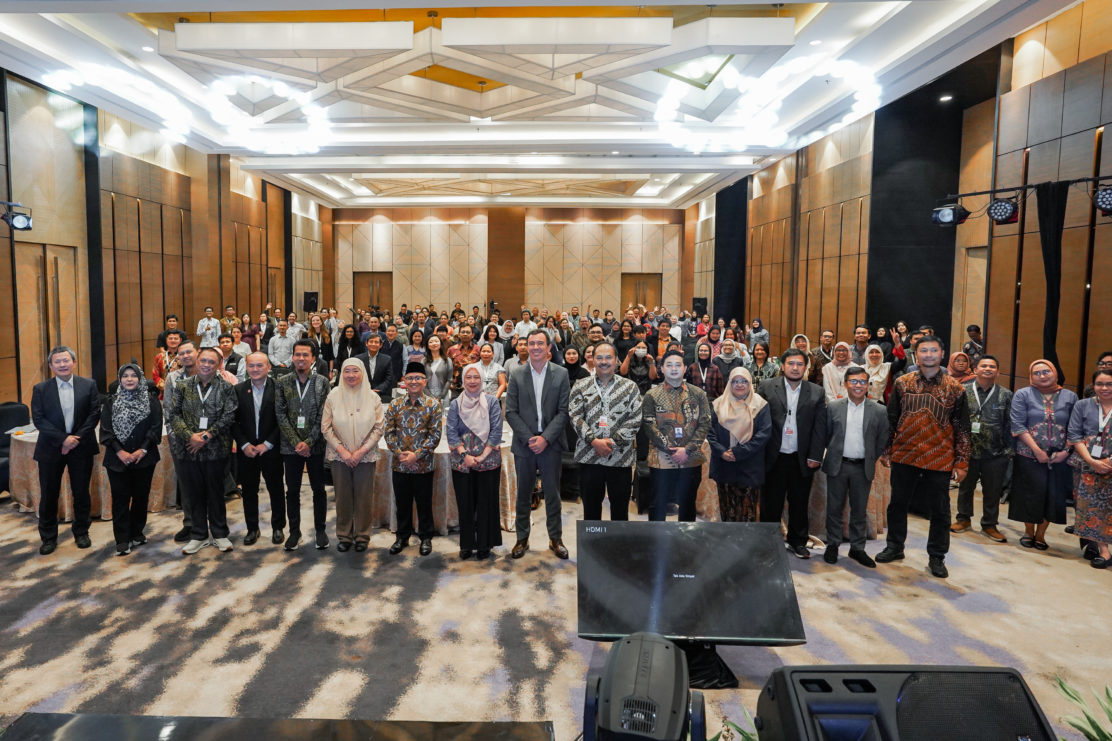
 SEAMEO CPRN Summit opens
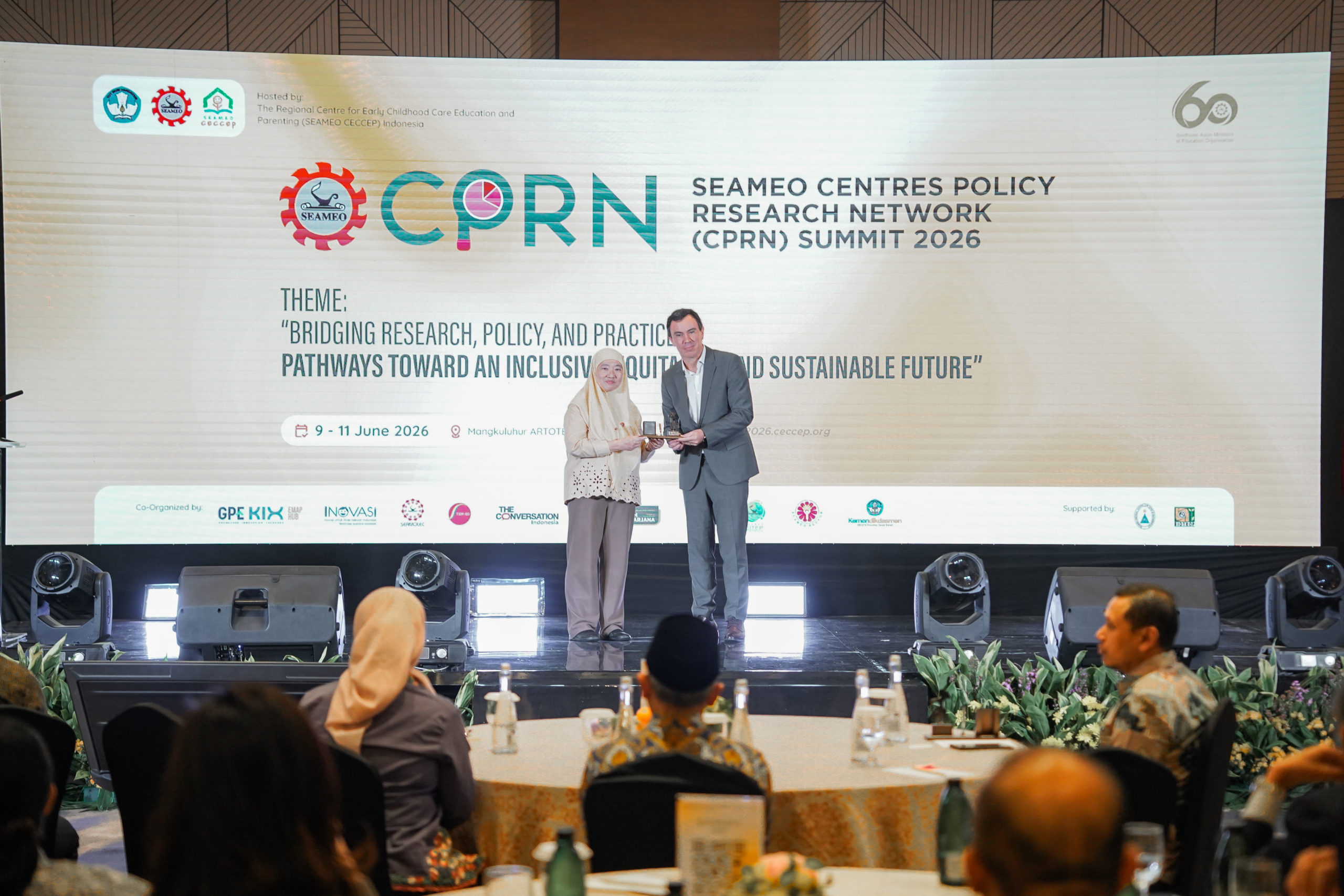 KIX EMAP and SEAMEO - MoU signing
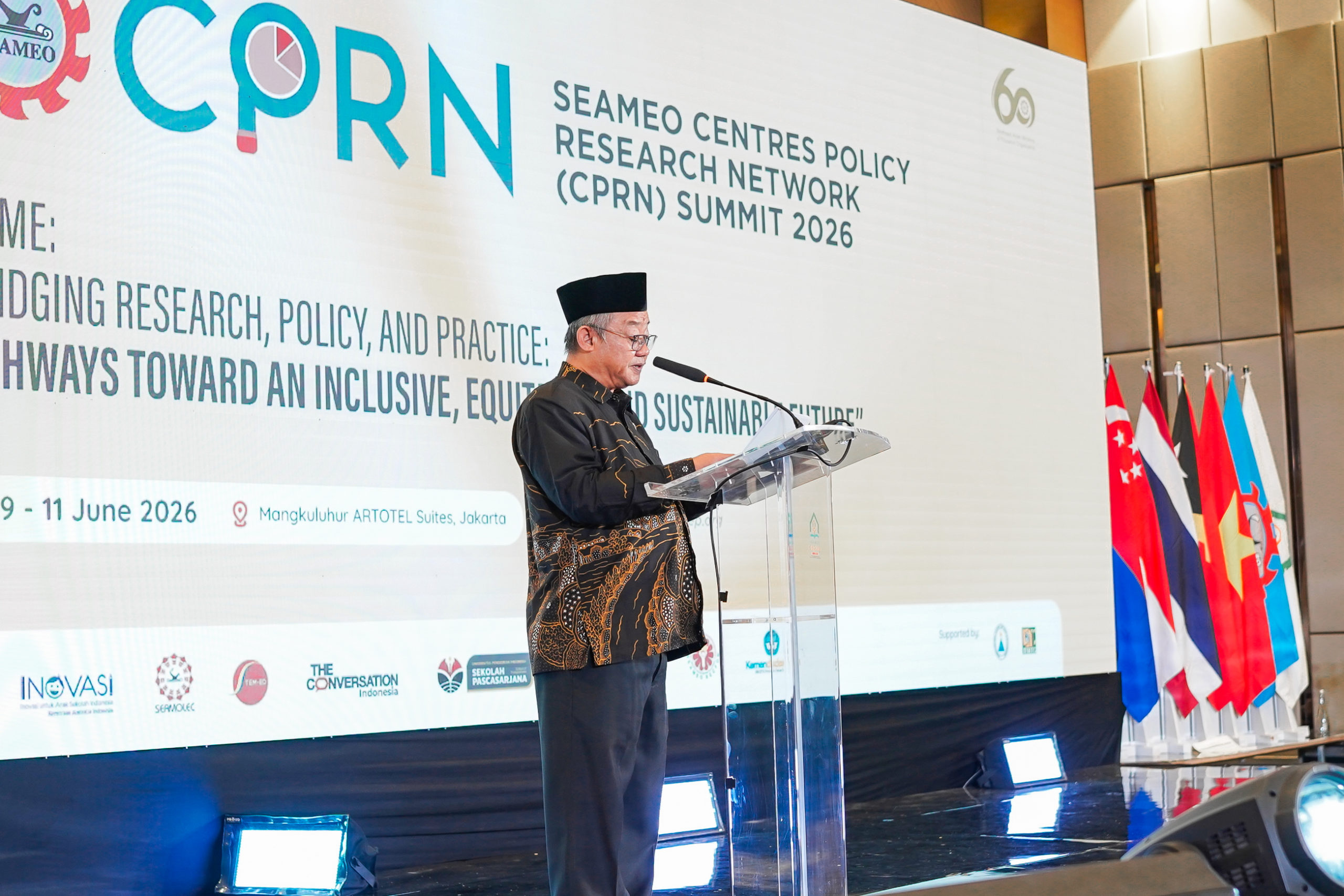 Prof. Dr. Abdul Mu'ti, M.Ed, Minister of Primary and Secondary Education, Indonesia
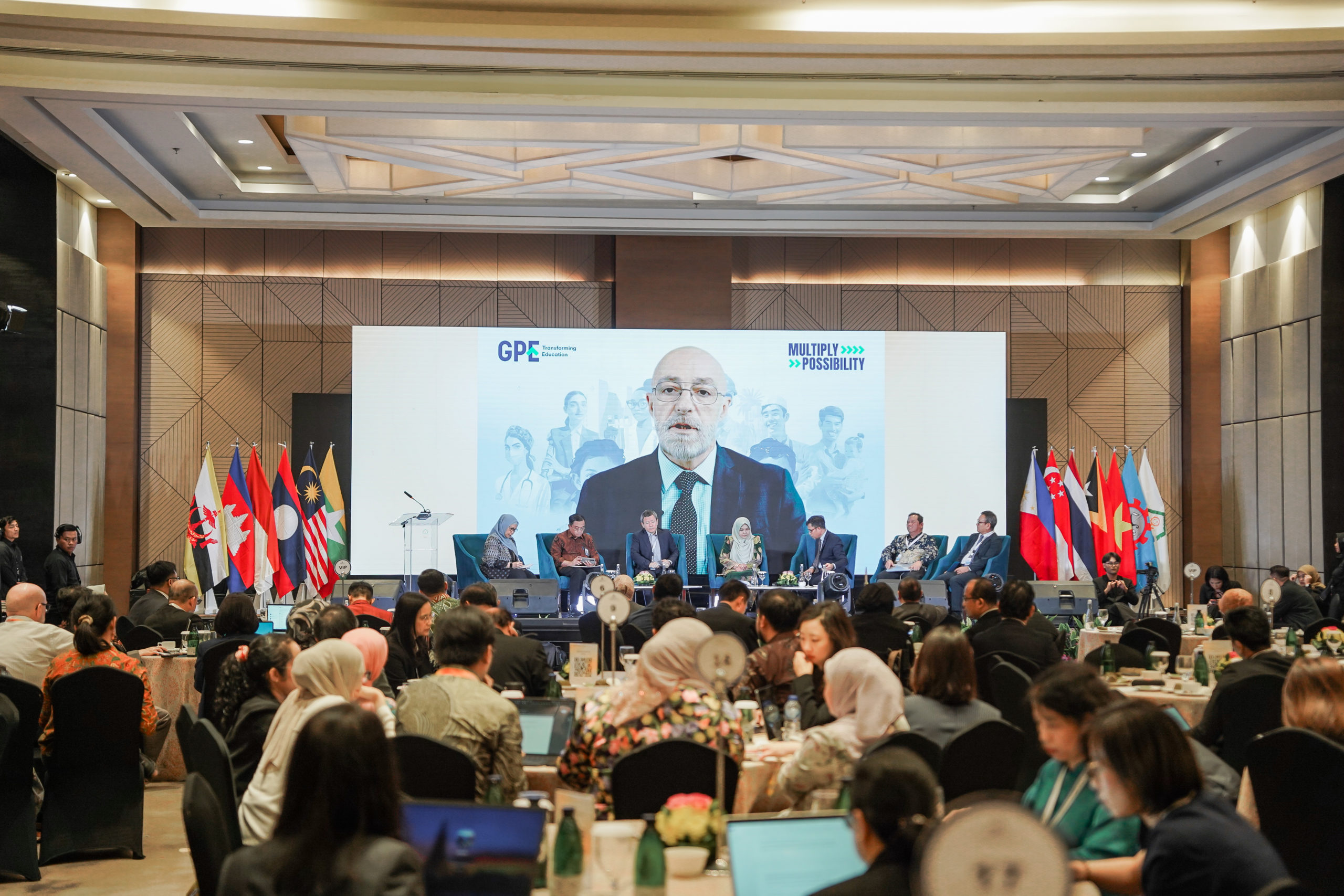 Marco Mantovanelli, Regional Manager for Asia & Pacific, Europe, Latin America & the Caribbean, and the Middle East, GPE
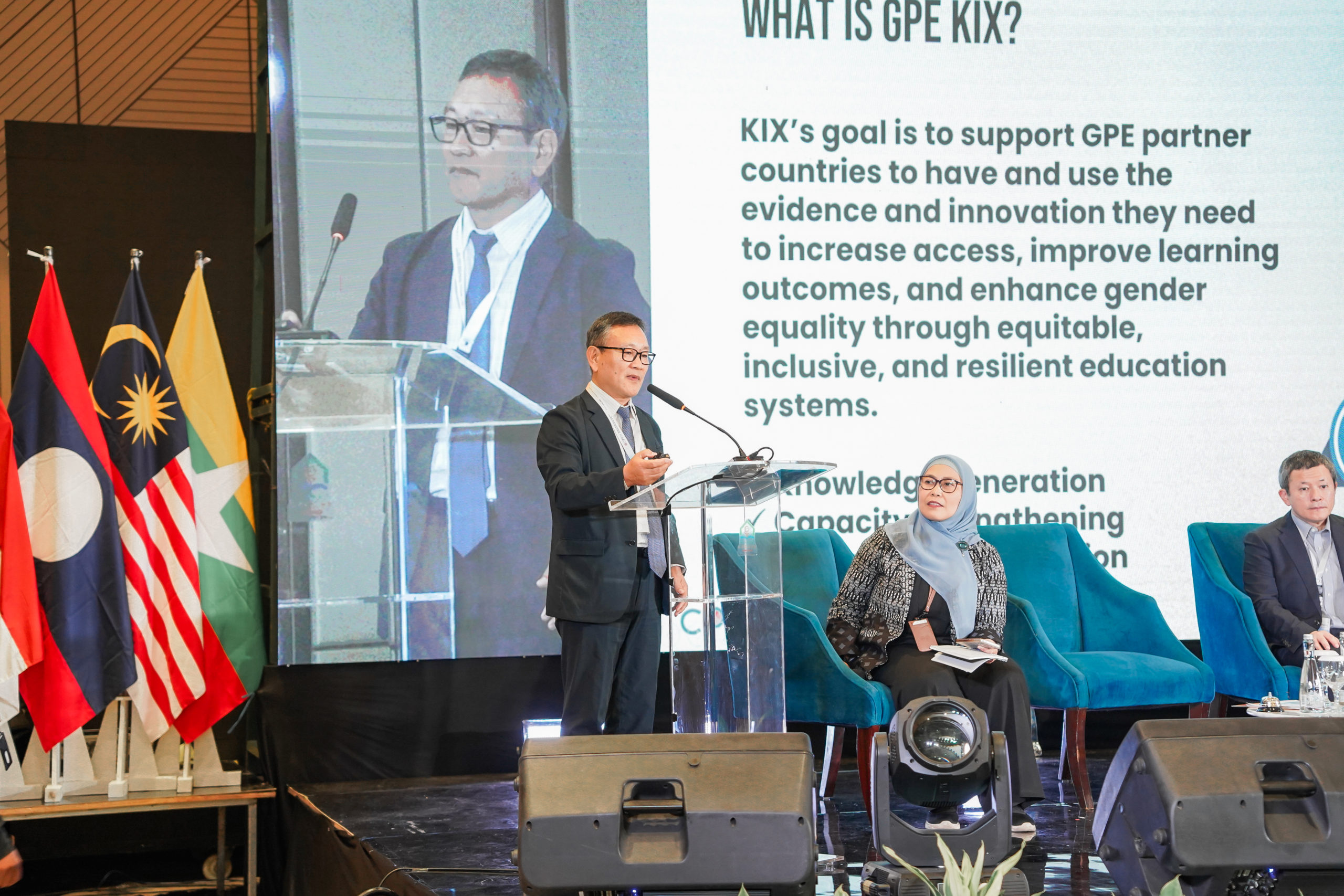 Sangay Jamtsho, Senior Program Officer, GPE KIX/IDRC
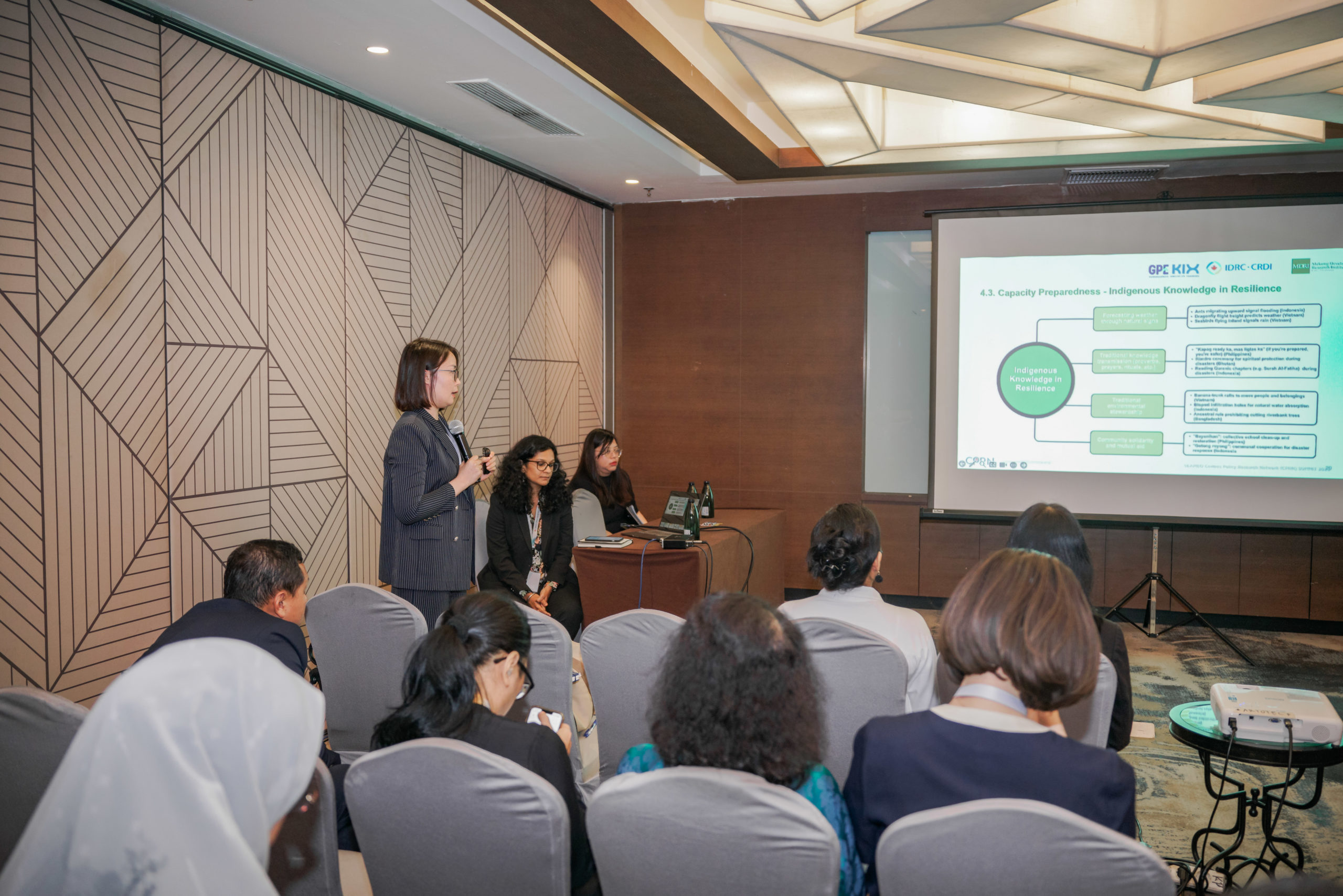 Presentations from GPE KIX research projects
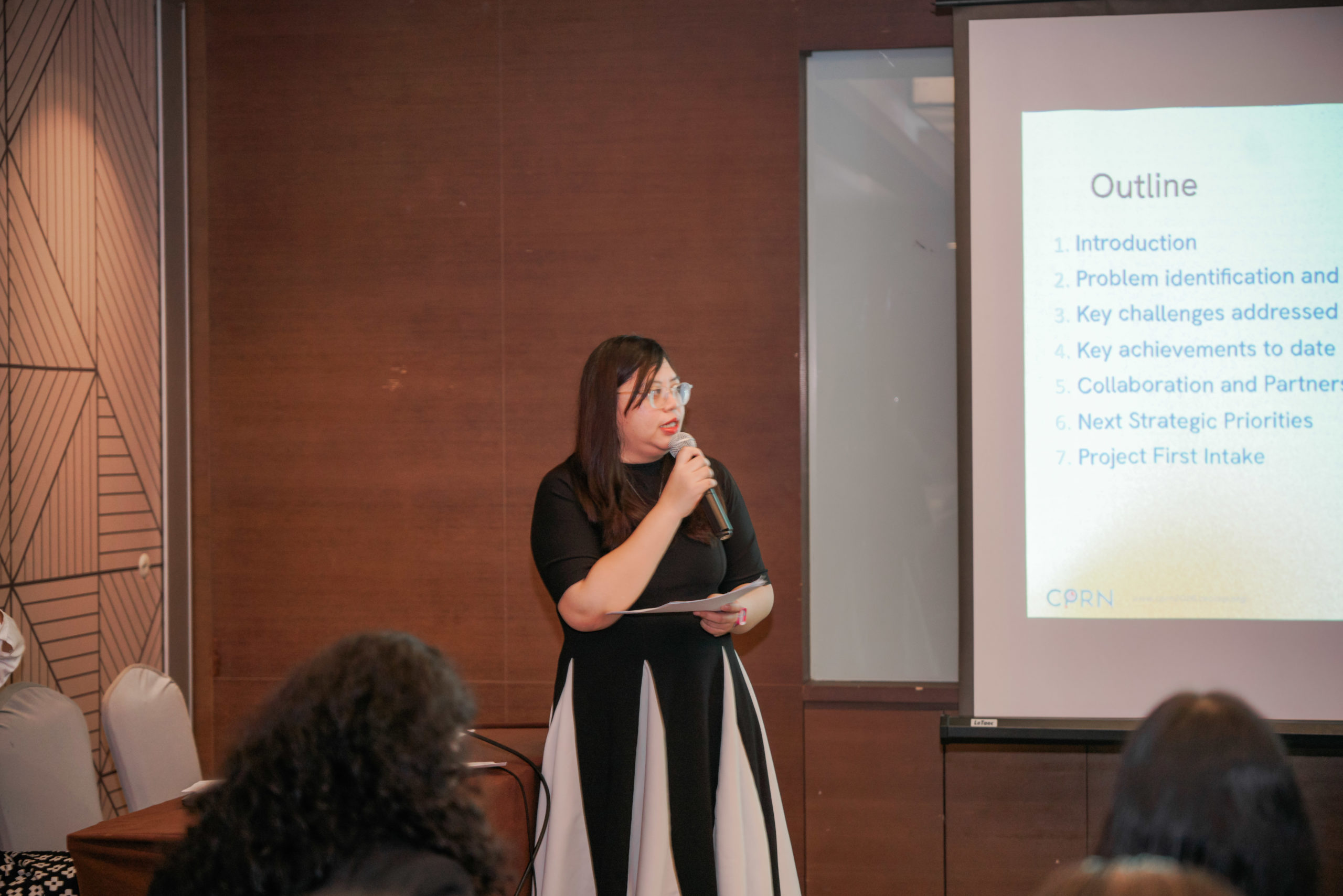 Presentations from GPE KIX research projects
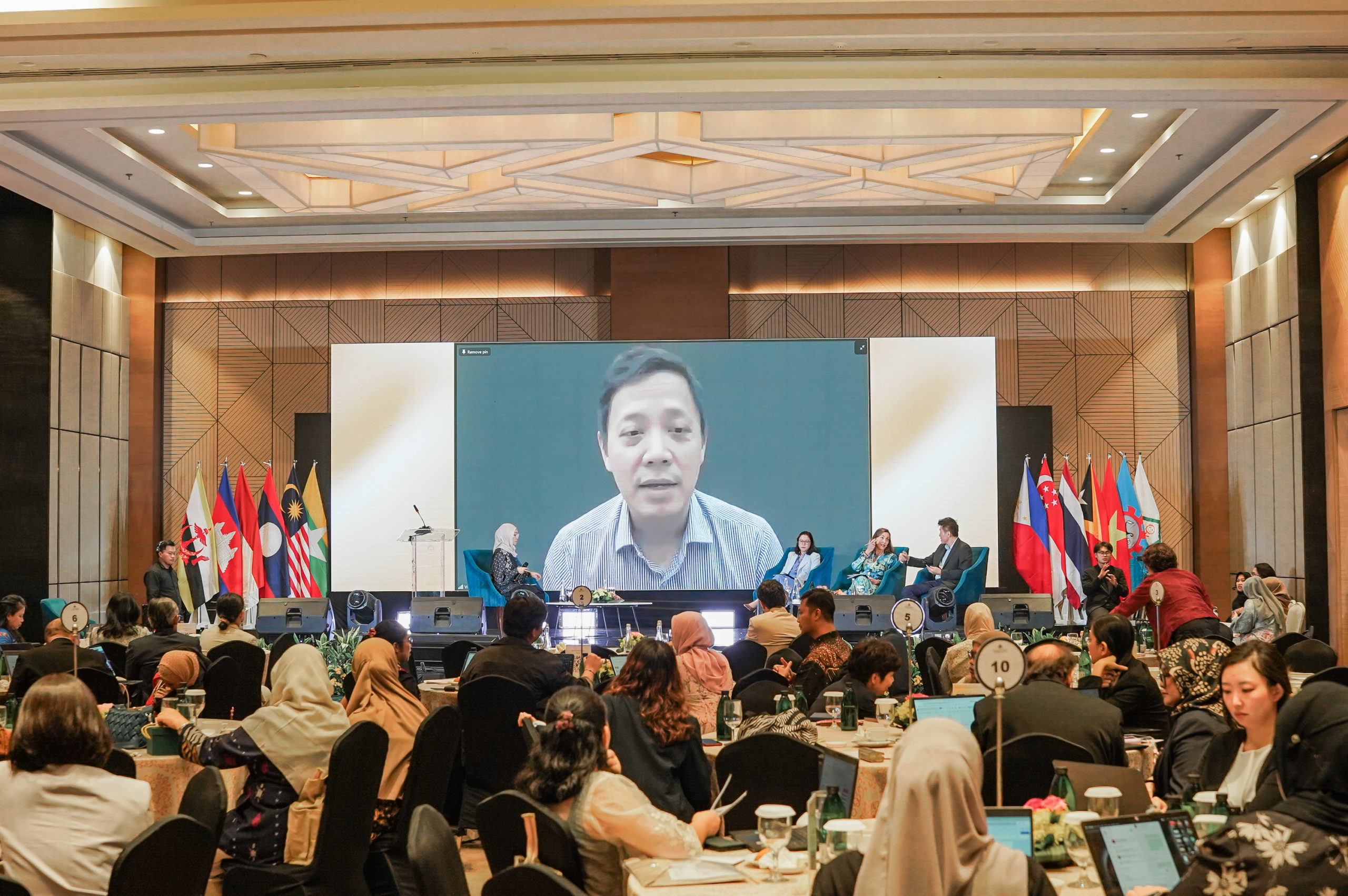 VNIES Director General Le Anh Vinh presenting Vietnam’s experience in translating national AI policy into classroom implementation
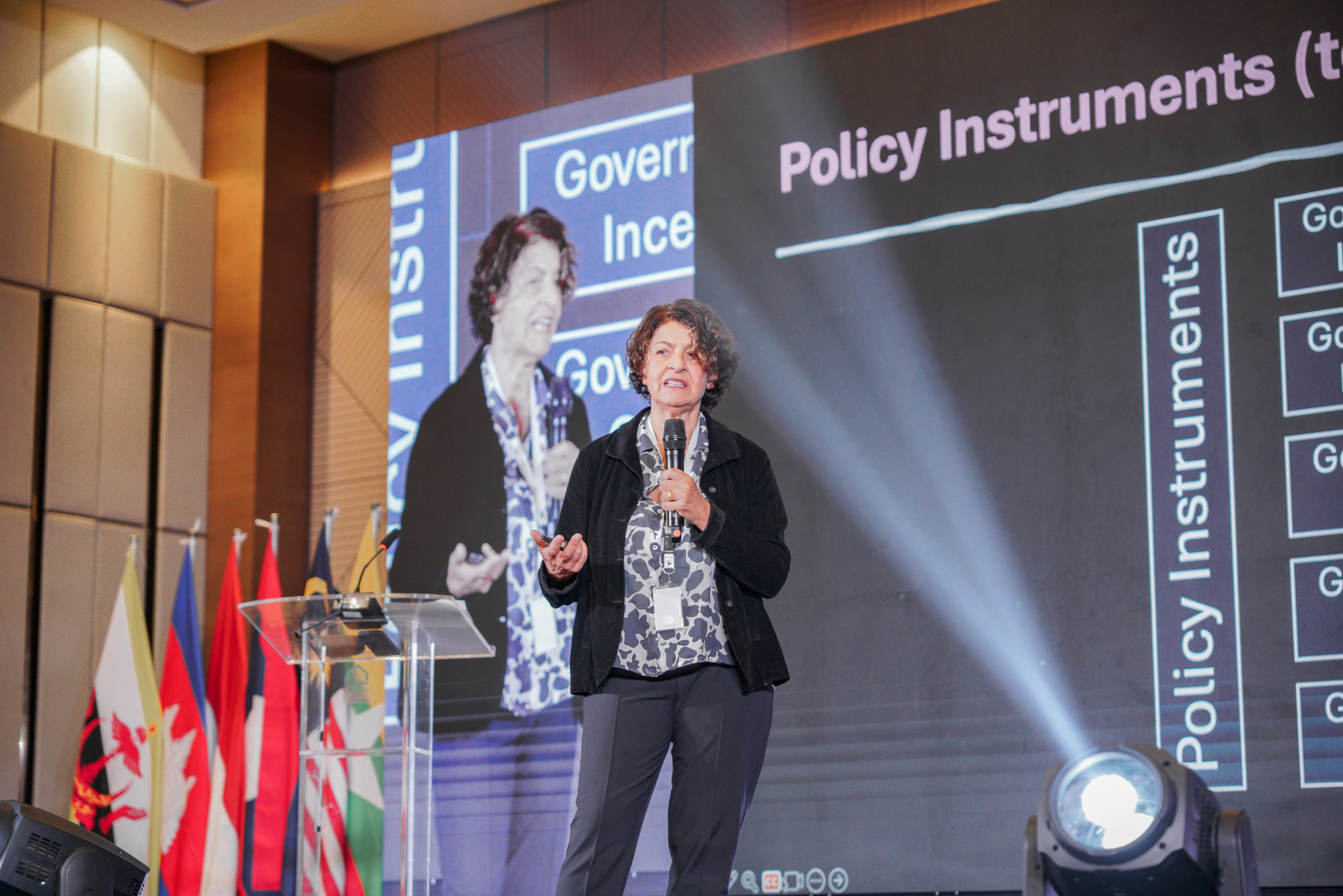 Keynote speech from Gita Steiner-Khamsi, Lead Researcher, KIX EMAP Hub
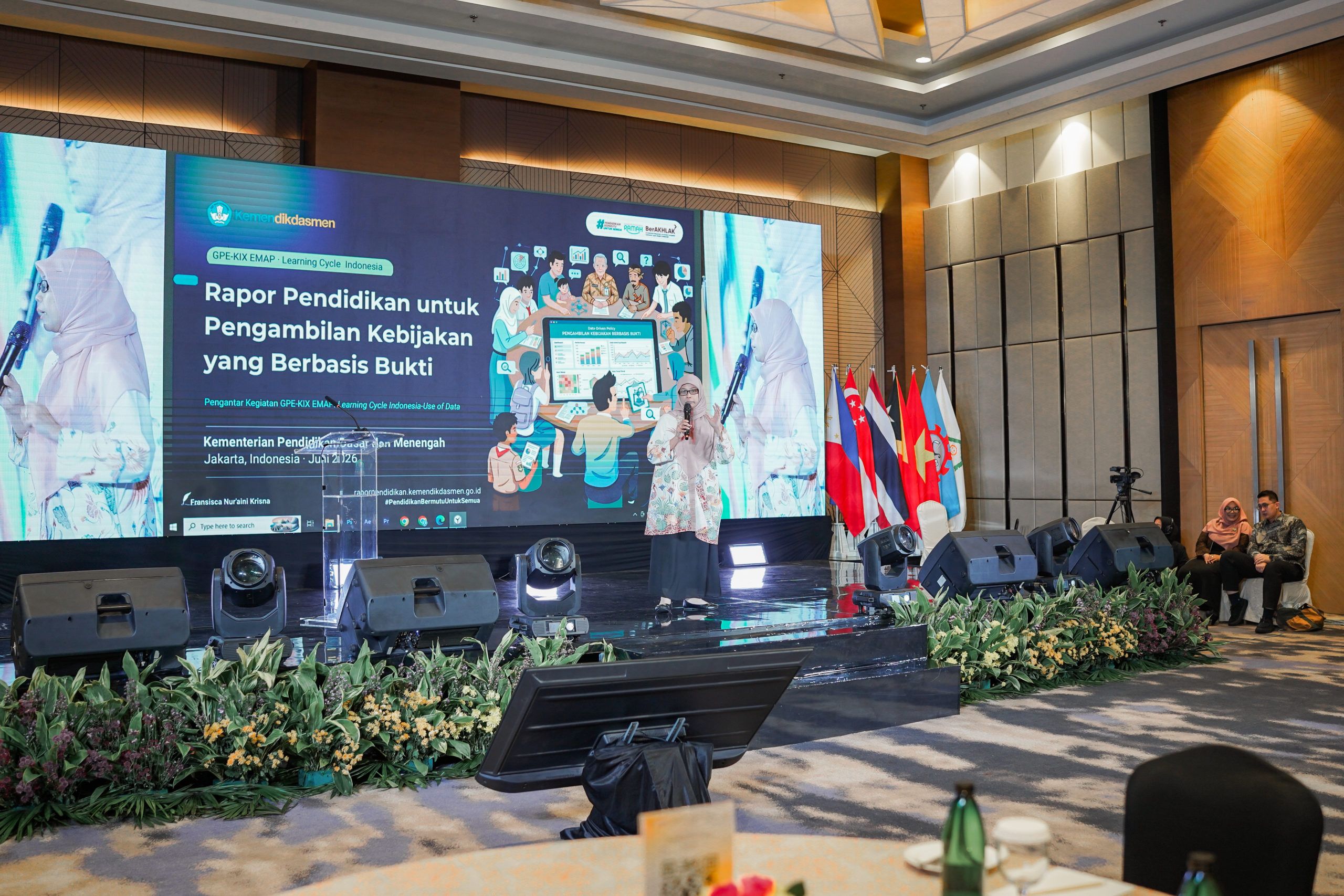 Fransisca Nur'aini Krisna, Head of BSKAP, Ministry of Primary and Secondary Education, Indonesia
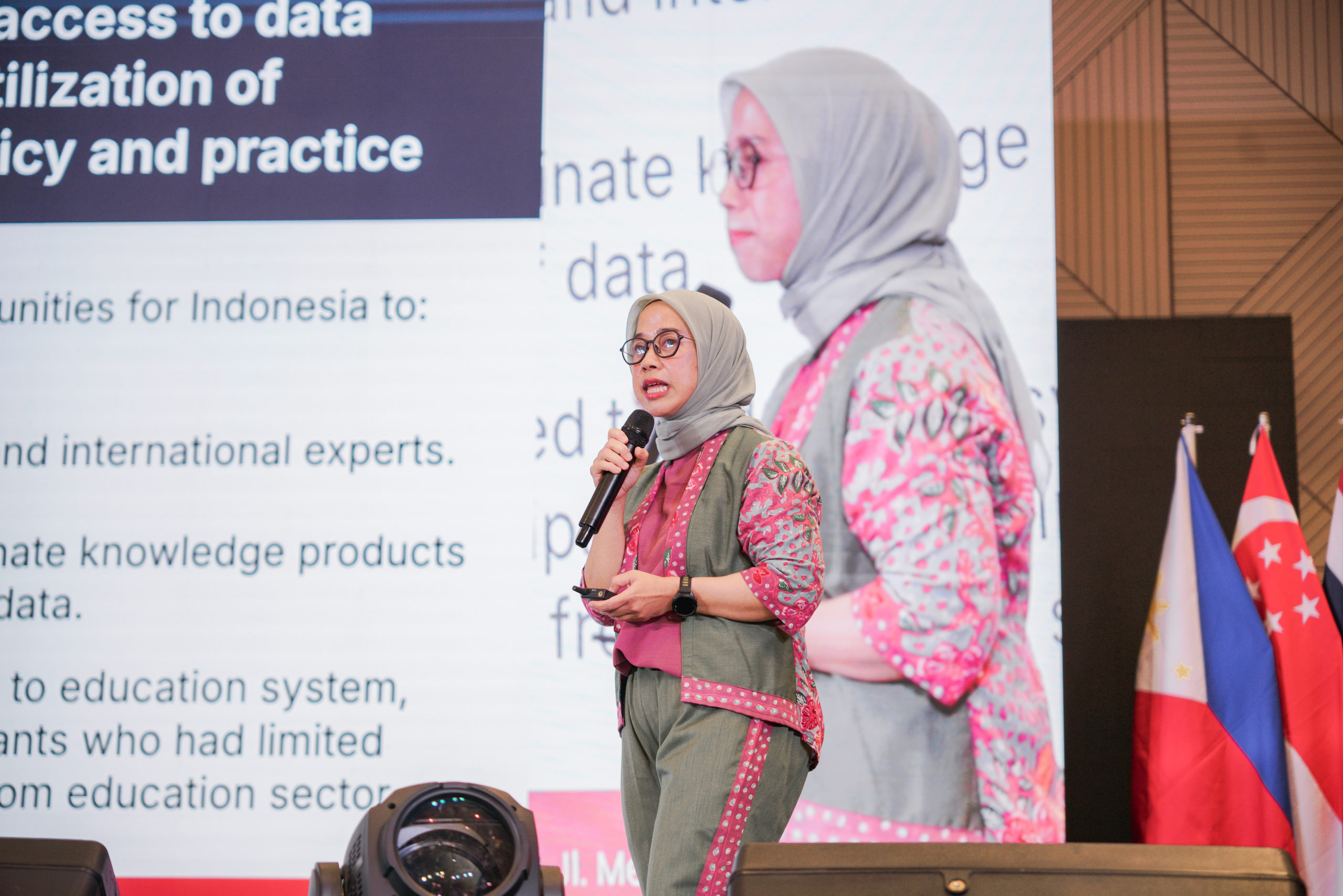 Nisa Felicia, Executive Director, PSPK and KIX National Coordinator for Indonesia
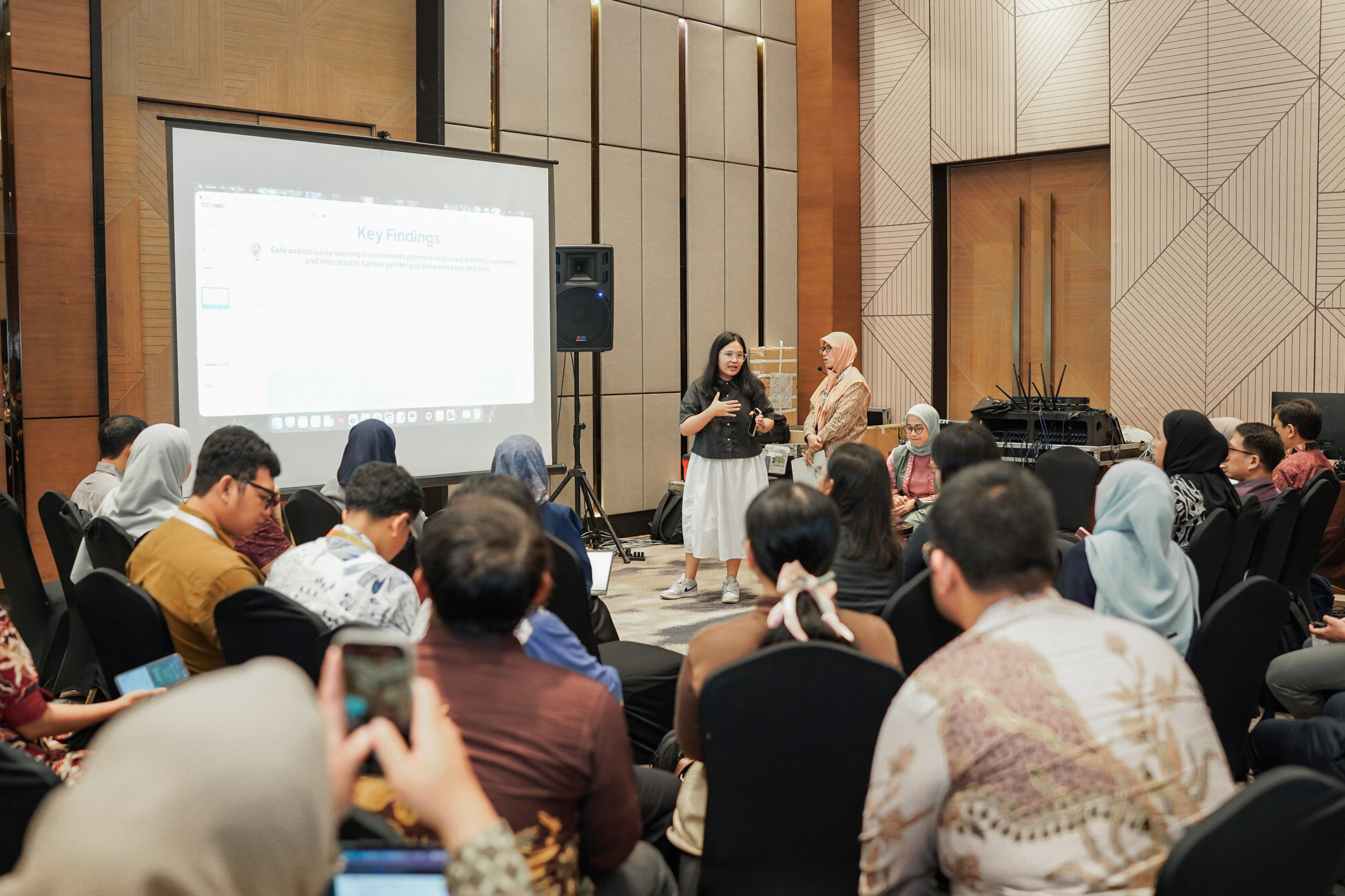 KIX EMAP Indonesia Learning Cycle team presentations
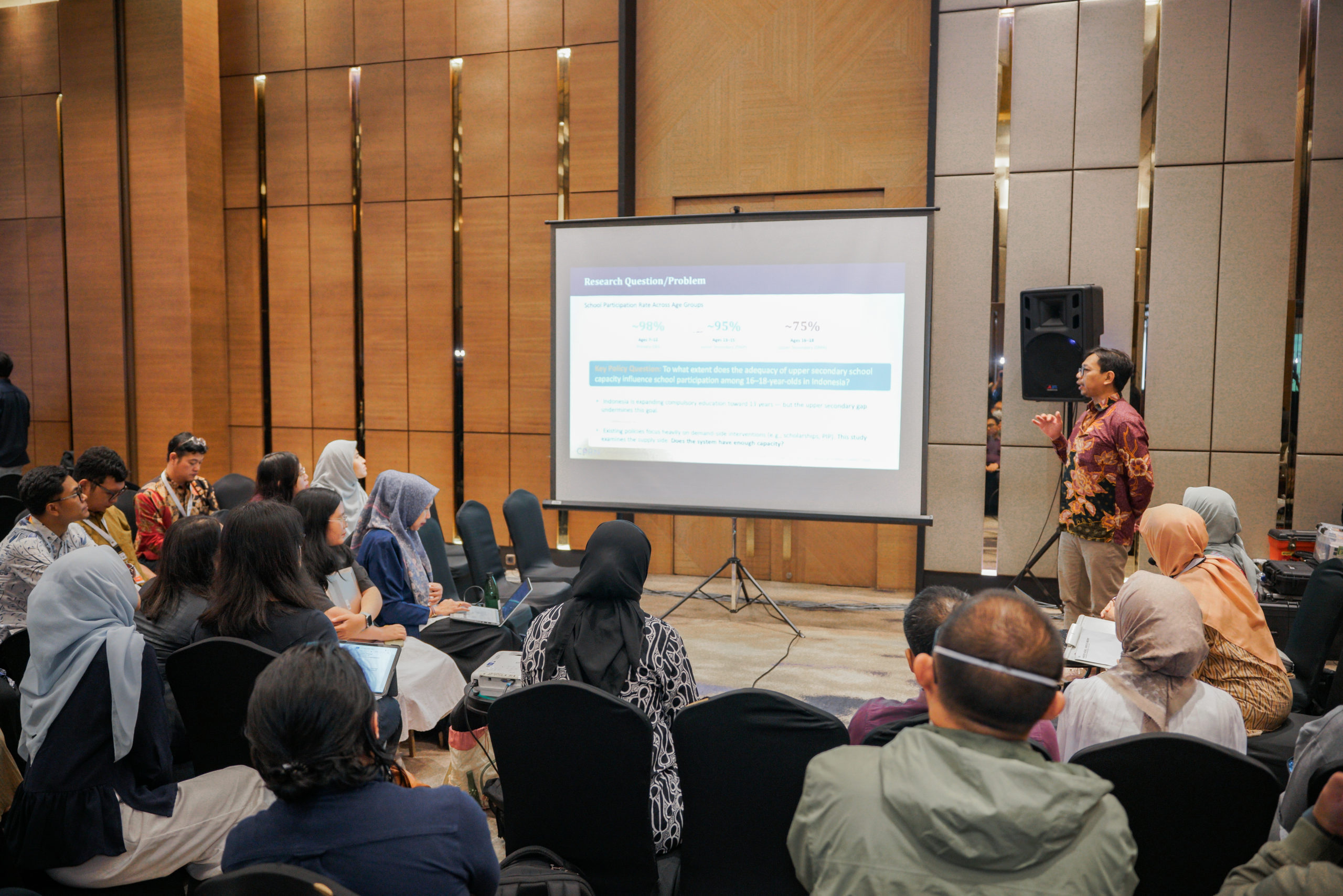 KIX EMAP Indonesia Learning Cycle team presentations
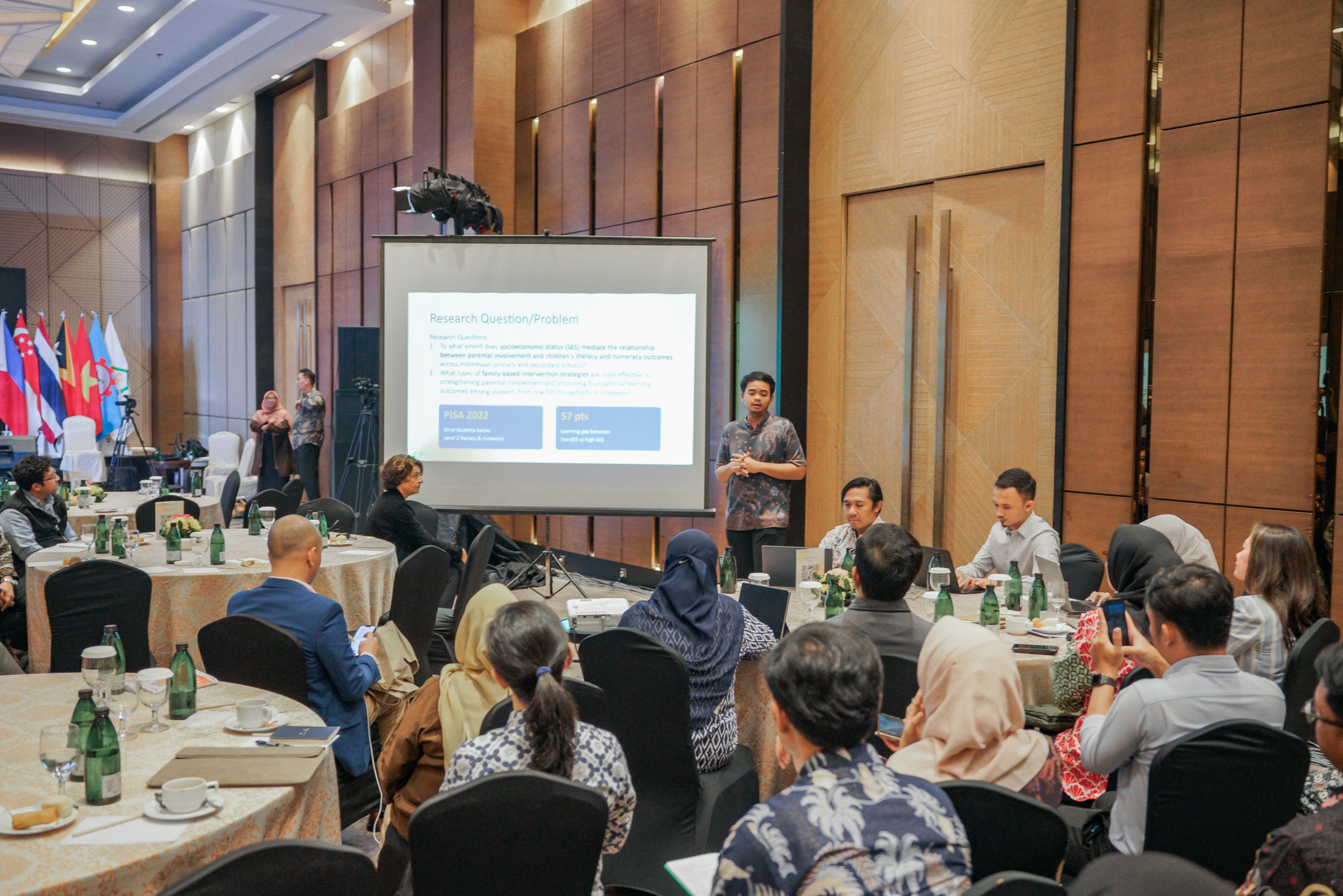 KIX EMAP Indonesia Learning Cycle team presentations
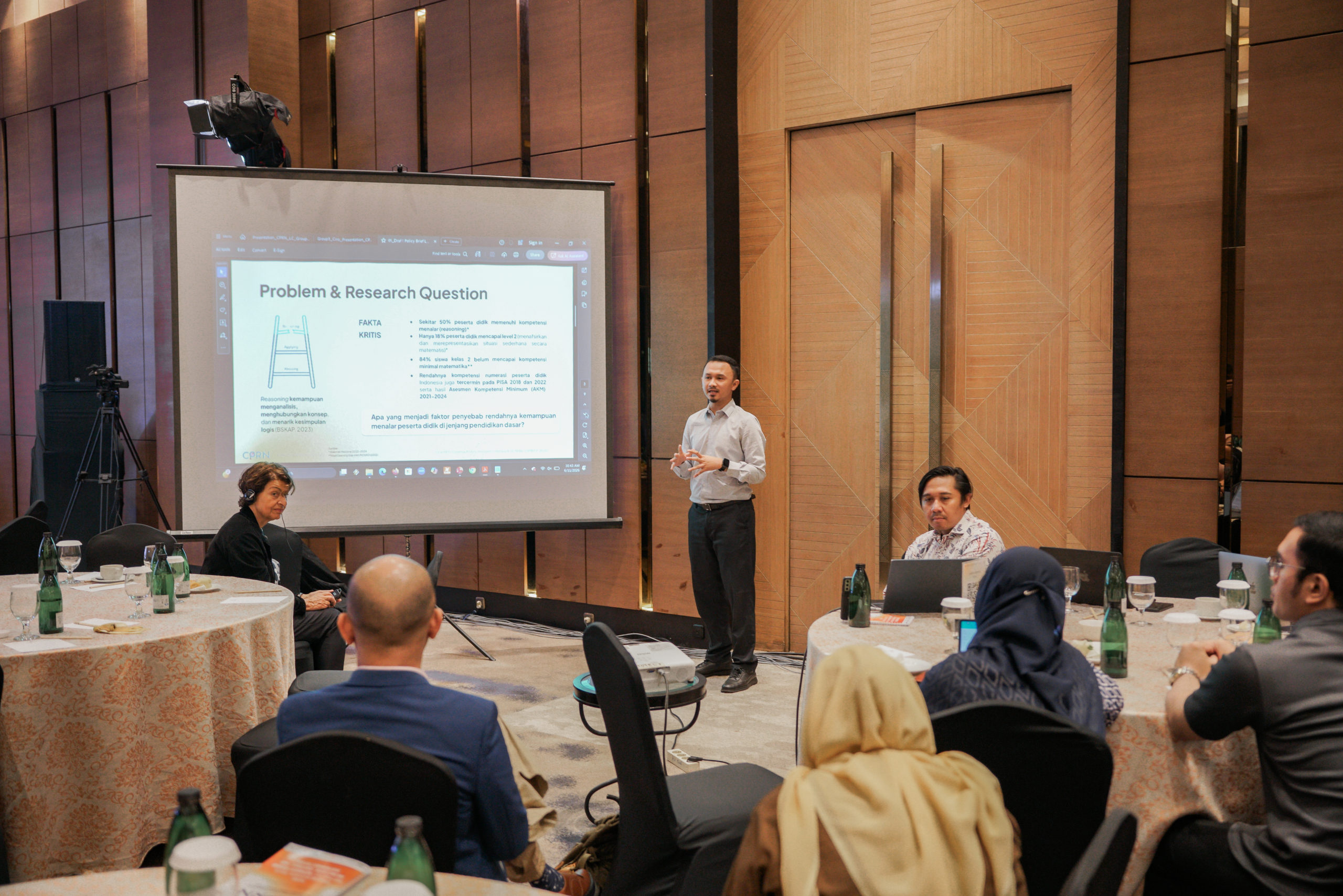 KIX EMAP Indonesia Learning Cycle team presentations