

Event Highlights: High-Level Conference on Scaling Education Initiatives in Emergencies in West Africa: Exploring Innovative Financing Approaches
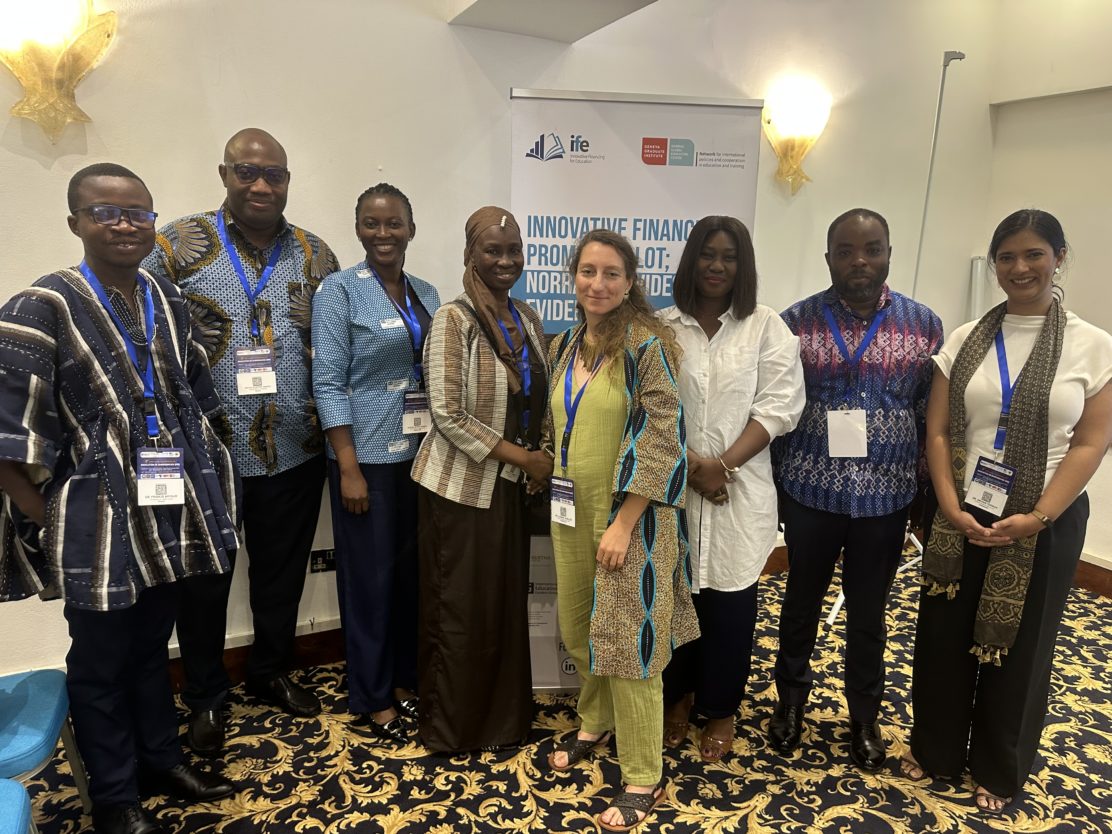
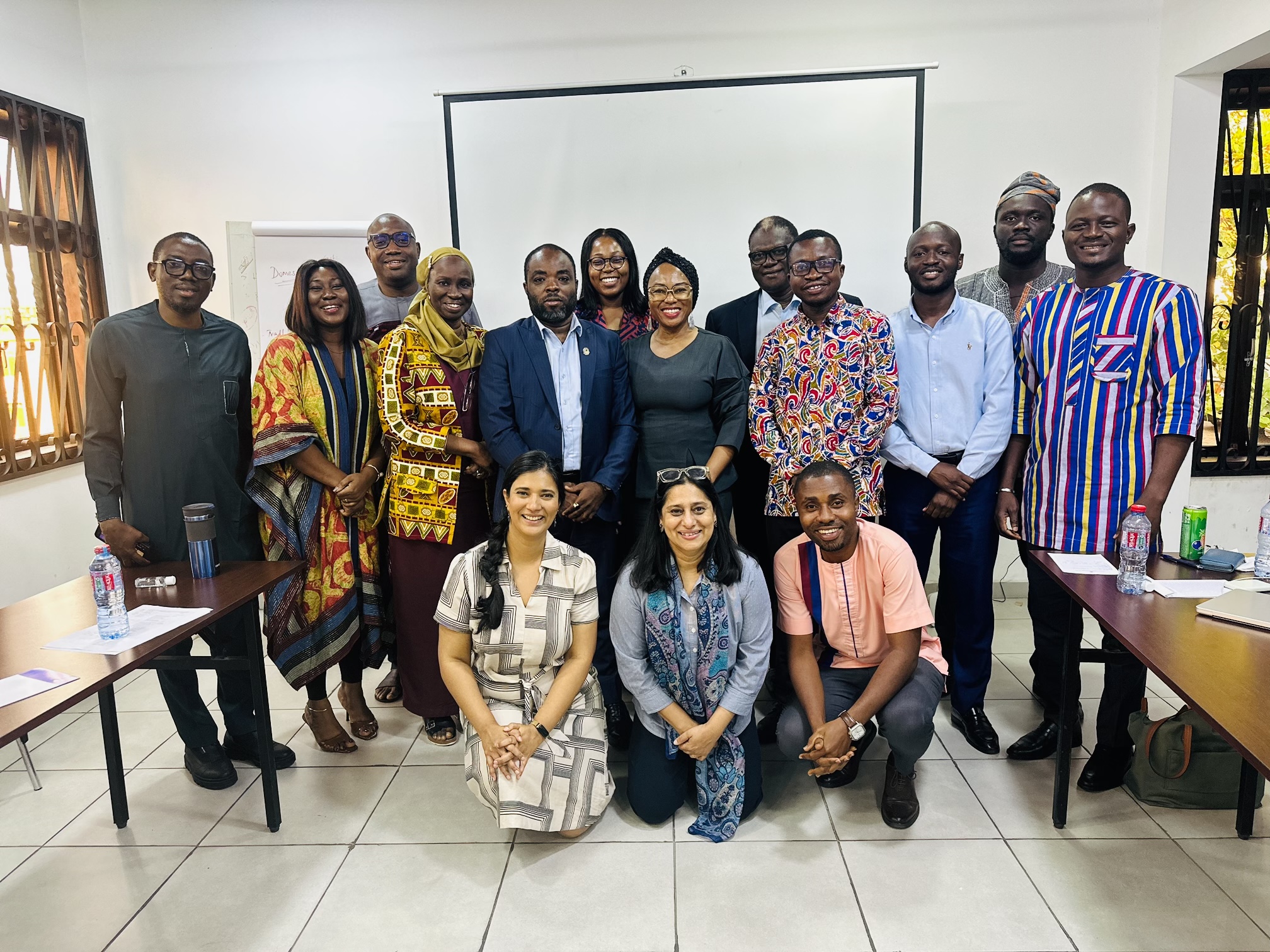
NORRAG’s Education Finance and Innovative Financing team participated in the High-Level Conference on Scaling Education Initiatives in Emergencies (EiE), organised by Associates for Change in Accra, Ghana, from 29 September to 1 October 2026. Bringing together stakeholders from across West Africa, including government representatives, researchers, academics, education practitioners, service providers and teachers. The conference provided a platform to exchange research, evidence and experience on scaling education innovations in emergency contexts, with a particular focus on the financing needed to support their implementation and expansion.
NORRAG contributed expertise on innovative financing through an introductory session on Innovative Financing for Education (IFE) and a dedicated workshop exploring concepts, instruments and emerging practices. These sessions invited participants to consider how innovative financing approaches might complement existing funding mechanisms and help address the persistent financing challenges facing Education in Emergencies. This topic was particularly important for supporting technical discussions around what works in EiE across the region in the context of declining official development assistance for education and humanitarian response, and increasingly constrained public budgets. Against this backdrop, identifying alternative and complementary ways of financing education has become an important priority across the region, and innovative financing is thought to offer potential avenues to address the lack of funding, although its contribution and limitations require careful consideration, particularly in fragile and crisis-affected contexts where relatively few instruments have been tested.
In its introductory session and workshop, NORRAG facilitated discussions to explore a range of financing sources, from public revenues and domestic resource mobilisation to philanthropic funding, private contributions and investment capital. They highlighted the ambition of innovative finance to deliver “more and better” financing for education: mobilising additional resources while improving the efficiency, effectiveness, flexibility and accountability of existing funding. Innovation may involve developing new financial instruments, engaging new financing actors, or extending financing to underserved populations and contexts. However, questions remain about the extent to which these approaches generate additional funding, improve education outcomes and offer sustainable solutions in practice.
In the introductory session:
- Eugenia Serwaah Cobbina of SOS Children’s Villages Ghana presented lessons from impact-linked loans for low-fee private schools. These below-market-rate loans aim to help schools expand their infrastructure and capacity while balancing financial sustainability with affordability and access for children from lower-income backgrounds. The example illustrated how concessional, repayable capital can support the growth of social-purpose education providers while pursuing both financial and social objectives.
- Fatu Yumkella, CEO of Dalan Consult, shared reflections from ongoing impact evaluation research on the Sierra Leone Education Innovation Challenge (SLEIC), an outcome-based financing initiative. The discussion examined whether this model has contributed to more and better financing for education, including its effectiveness, additionality, efficiency, equity and sustainability. While outcome-based financing can strengthen performance management and accountability for results, it also raises questions about transaction costs, long-term sustainability and the potential for replication and scale.
- Dr Nana Ama Boa-Amponsem of the Education Collaborative highlighted the importance of looking beyond the mobilisation of new capital to consider how financing mechanisms shape priorities, resource allocation, power relations and local capacities. She drew from examples of domestic financing approaches used across the continent to illustrate how innovation can also take place within public financing systems, including through new ways of generating, allocating and channelling public resources for education.
Discussions during the workshop underscored that the potential of different financing approaches ultimately depends on the problem they are intended to address. While innovative instruments may offer opportunities in specific contexts, public financing remains indispensable to achieving education at scale and equitably. Strengthening domestic resource mobilisation and public financing systems is therefore central to long-term progress. Participants also highlighted the equity implications of different approaches: while community-based financing can foster collective action and local ownership, it risks placing additional burdens on already resource-constrained households. Broader and more equitable tax-based mobilisation may offer a more sustainable route to financing education at scale.
The conference offered an opportunity to engage with emerging experiences, critically examine the potential of innovative financing approaches, and reflect on the conditions under which they may contribute to EiE. As financing needs continue to grow and traditional sources of funding face increasing constraints, understanding not only how resources can be mobilised but also how they are allocated, governed and translated into equitable education outcomes remains essential.