

Hugh McLean’s Reflections from Nairobi: Planting the Seeds of a New Foundational Learning
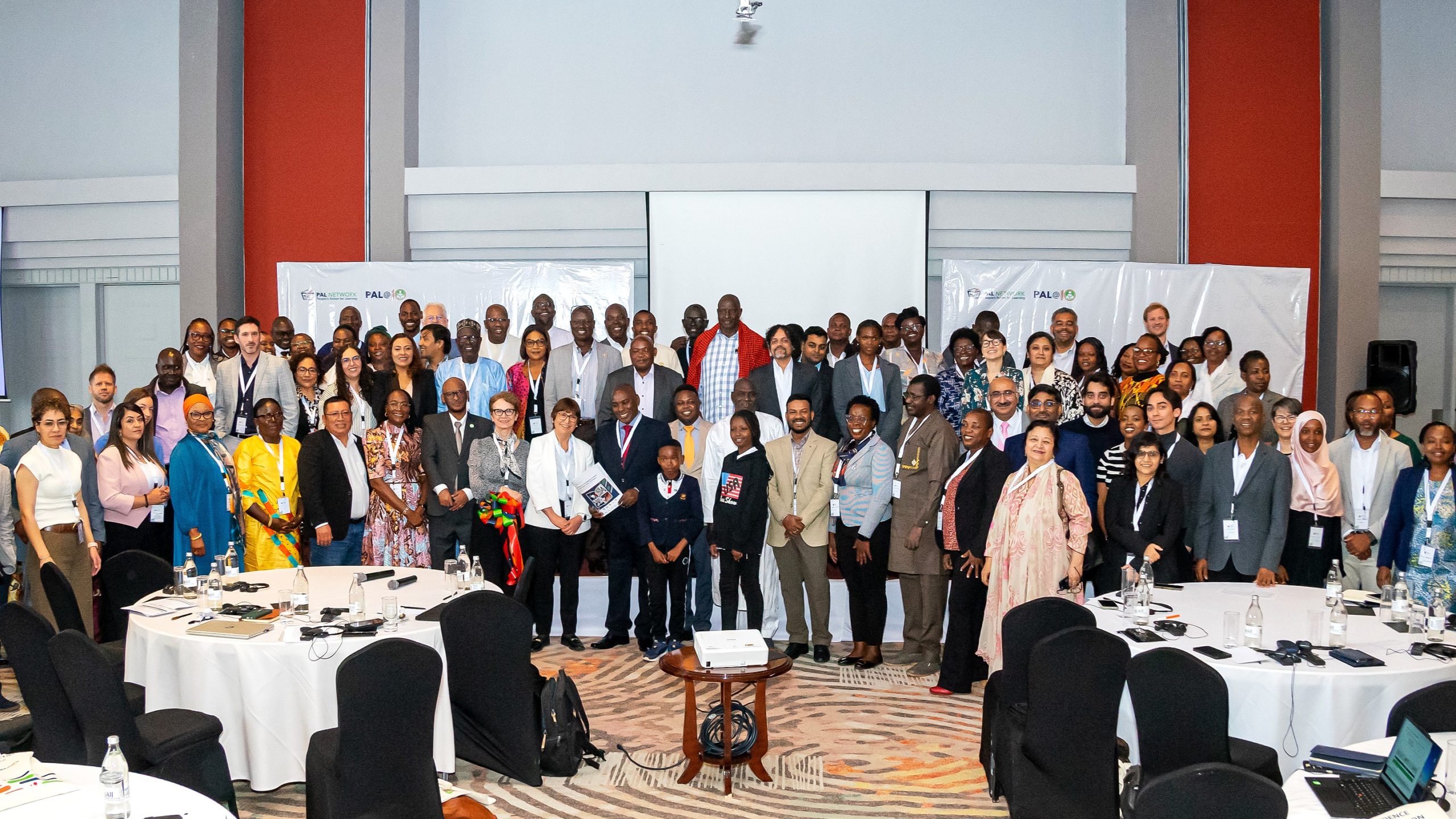
Can a foundational learning agenda be truly ‘foundational’ if it doesn’t help children understand the world on fire around them? This was a central question for me when I attended the PAL Evidence for Action Forum in Nairobi (25–26 November 2025) as NORRAG’s Senior Advisor.
The event was a vibrant south-south learning exchange and a powerful launchpad for the findings from PAL’s International Common Assessments of Numeracy and of Reading (ICAN-ICAR) report across 12 countries, which showcases how citizen-led data can drive accountability in education. Unlike the long-standing, annual citizen-led assessments in individual countries across the PAL Network, ICAN-ICAR provides the scaffolding for a shared comparative lens. It is designed not just as a snapshot, but as a strategic tool to generate reliable, comparable trend data on foundational literacy and numeracy in the Global South – precisely the kind of evidence needed to credibly track progress on crucial aspects of SDG 4 as we enter the final five run-up years to 2030.
This focus on robust, comparable measurement is crucial for accountability. Yet the Forum suggested, without fully confronting, a deeper, critical debate: in a world of Polycrisis – of climate breakdown, conflict and fragmentation – what should ‘foundational’ learning really mean?
NORRAG Special Issue NSI 09 Foundational Learning: Debates and Praxes establishes that foundational learning is more than literacy and numeracy, as crucial as these fundamental competencies are. It must embrace holistic, capabilities-based approaches that encourage social-emotional skills, critical awareness and the nurturing of ecologically engaged young citizens.
The ‘Transformative Pedagogies’ breakout discussion I attended leaned heavily on measurement and accountability – important themes, certainly – but less on pedagogy and less still on transformation. I proposed that foundational learning should also include ecological and climate justice literacy as core capabilities from an early age; the challenge for PAL Network partners and the ICAN-ICAR report is how to capture this going forward. Amartya Sen’s idea that development is about expanding people’s capabilities – what they are ‘able to be and do’ – may help us move beyond more narrow competency checklists, helping to cultivate young people’s capacities to understand, care for and ethically engage with their communities and planet.
Such a shift would be especially relevant for social-emotional skills and ecological understandings. ICAN-ICAR could demonstrate how this approach values empathy, agency and systems-thinking – and helps learners navigate the linked yet distinct dimensions of climate, nature and justice. Christina Kwauk’s NSI 09 essay opens this conversation brilliantly, reminding us that in a climate crisis, foundational learning cannot be divorced from climate action and justice.
As always, it is encouraging to see PAL’s openness to integrating social-emotional learning and broader contextual factors into their assessments and also to meet NSI 09 authors Rajib Timalsina, John Mugo and David Otieno who were actively involved in the PAL workshops. This signals fertile ground for collaboration between PAL and NORRAG networks – a genuine ‘south-south’ partnership resonating deeply with our and their ethos that #TheSouthAlsoKnows.
PAL’s work prepares solid ground for evidence-based action. The NORRAG Network is helping sow seeds for a more expansive vision: foundational learning that nurtures not only literate and numerate individuals, but ecologically literate, socially just and systemically capable citizens. It calls to mind the wisdom of the late Kenyan Nobel Laureate Wangarĩ Maathai, who reminded us that
“The future of the planet concerns all of us, and all of us should do what we can to protect it. As I told the foresters, and the women, you don’t need a diploma to plant a tree.”
We may not need a diploma to plant a tree, but we do need an education that teaches us why to plant it, how to nurture it, and who it protects. The future of both people and planet may depend on it.
(1) Sen, A. (1999). Development as Freedom. Oxford University Press. Sen’s capabilities approach reframes development – and by extension, learning – as the expansion of human freedom and agency, moving beyond narrow metrics of attainment.
(2) Orr, D. W. (1992). Ecological Literacy: Education and the Transition to a Postmodern World. State University of New York Press. Orr’s foundational work argues that true literacy must include an understanding of the natural systems that sustain life, a concept essential for educating citizens in a time of climate crisis.