

Event Highlights: Launch of the Mandarin Edition of NSI 10 - Education for Societal Transformation: Alternatives for a Just Future
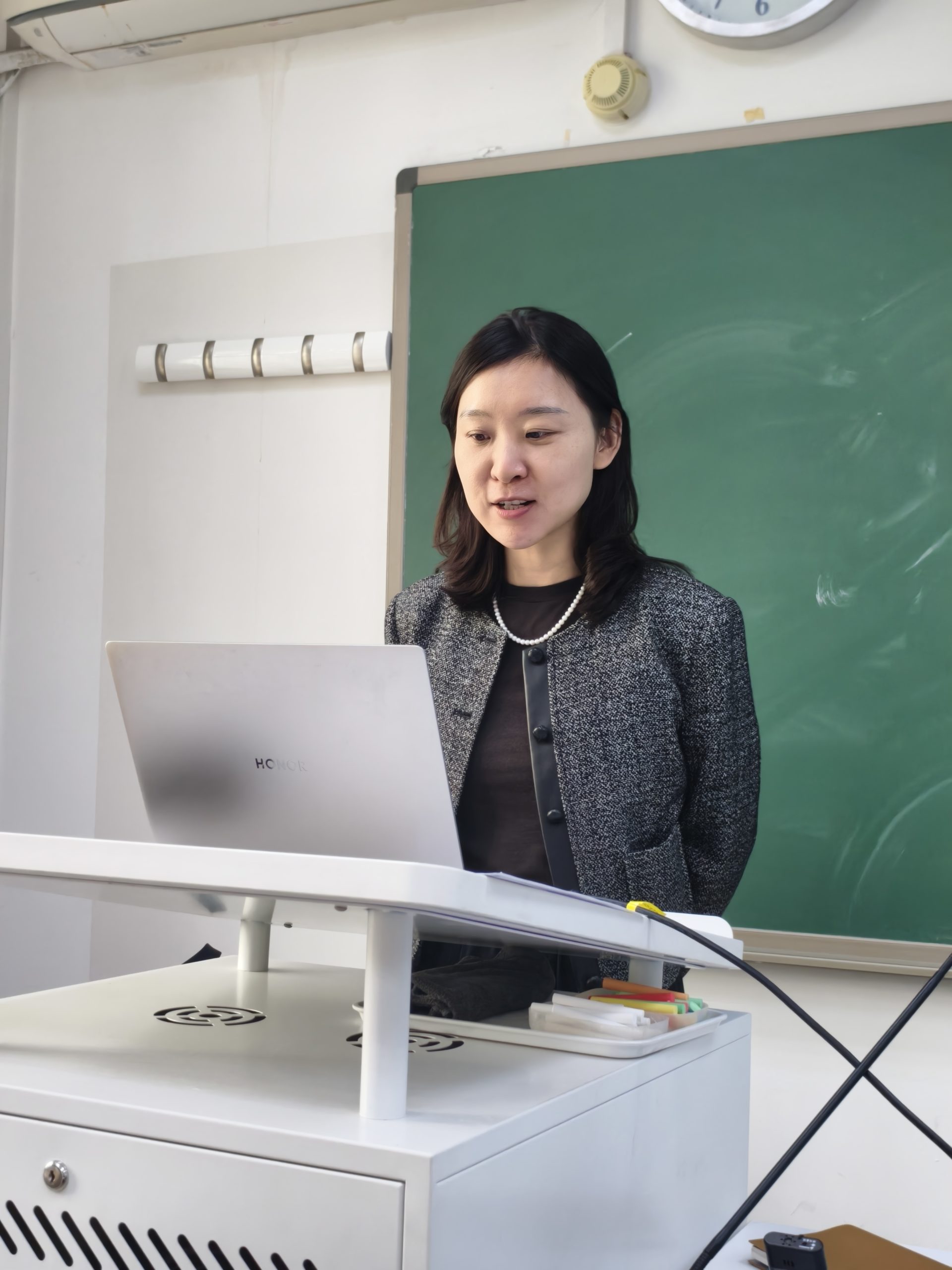
On the morning of Wednesday, 15 April 2026, from 9:00 to 11:00, the launch event of NORRAG Special Issue 10, “Education for Societal Transformation: Alternatives for a Just Future”, was successfully held. The event was hosted by Associate Professor Yiyun Hu from our institute, with the participation of multiple scholars. NORRAG, founded in 1977 and headquartered in Geneva, Switzerland, is a global network on international cooperation in education, with a particular focus on international policies and cooperation in educational theory and practice. Each issue of the NORRAG Special Issue addresses a key theme in global education policy and international educational cooperation. Our institute has actively participated in this initiative, contributing China’s educational practical experience to the NORRAG Special Issue.
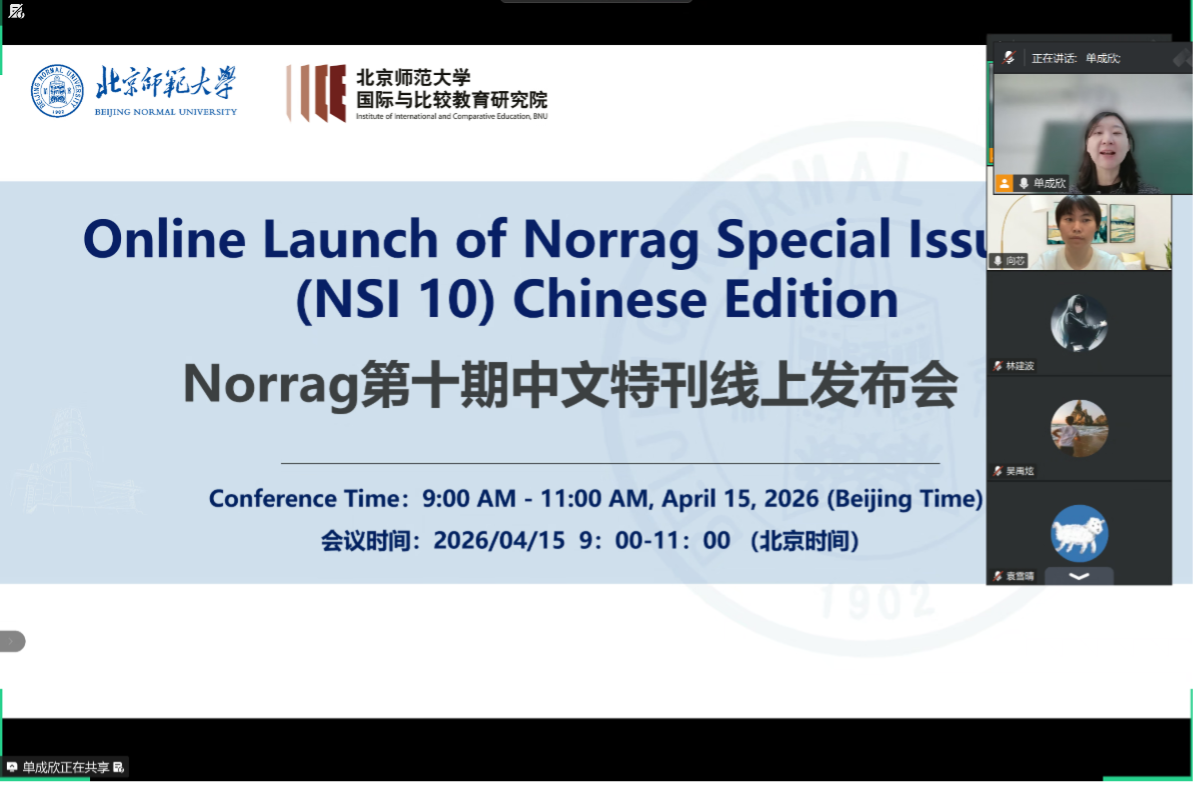
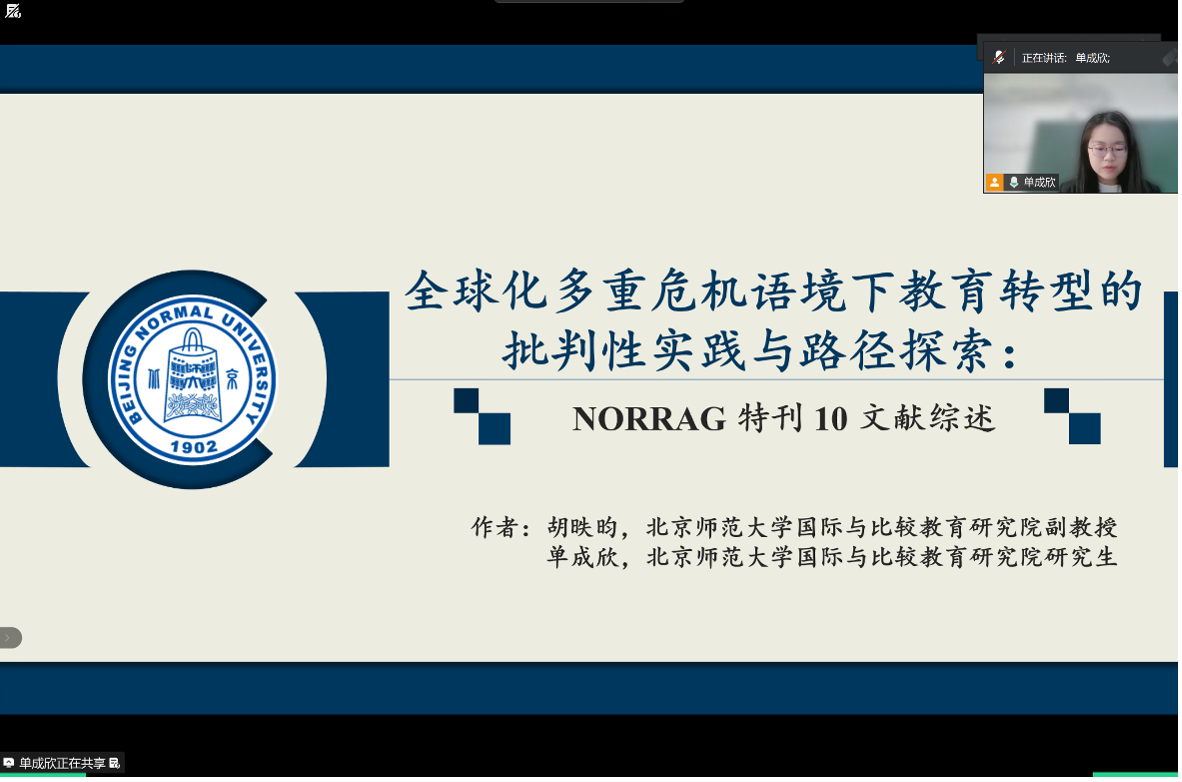
First, Associate Professor Yiyun Hu, as editor of the NORRAG Chinese Special Issue, introduced the basic information (including 12 articles from the original ninth issue of NORRAG and 2 specially commissioned Chinese articles), the theme, and the principles of article selection. Subsequently, during the keynote session moderated by Associate Professor Hu, the editorial team presented their localised research findings. Chengxin Shan, a postgraduate student from our institute, reported on her literature review entitled “Critical Practices and Pathways for Educational Transformation in the Context of Global Polycrisis”, summarising the content of NORRAG Special Issue 10 from two perspectives: the necessity of educational transformation and the diverse pathways towards just and sustainable education.
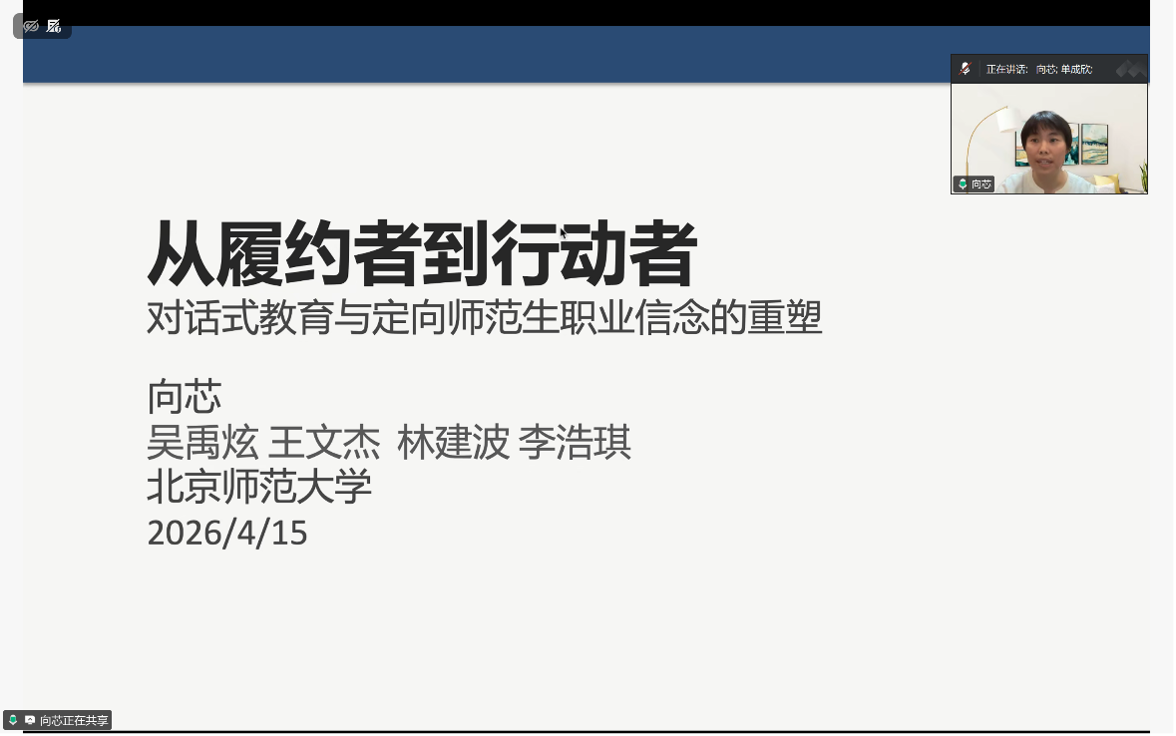
Associate Professor Xin Xiang from Beijing Normal University at Zhuhai shared her research findings on “From Fulfiller to Actor: Dialogic Education and the Reshaping of Professional Beliefs among Targeted Pre‑service Teachers”. Taking as a starting point the belief dilemma faced by publicly funded pre‑service teachers between macro policies and personal experience, and between ideals and reality, she adopted a “progressive participatory action research” approach, using Paulo Freire’s dialogic pedagogy to help pre‑service teachers reshape their professional beliefs.
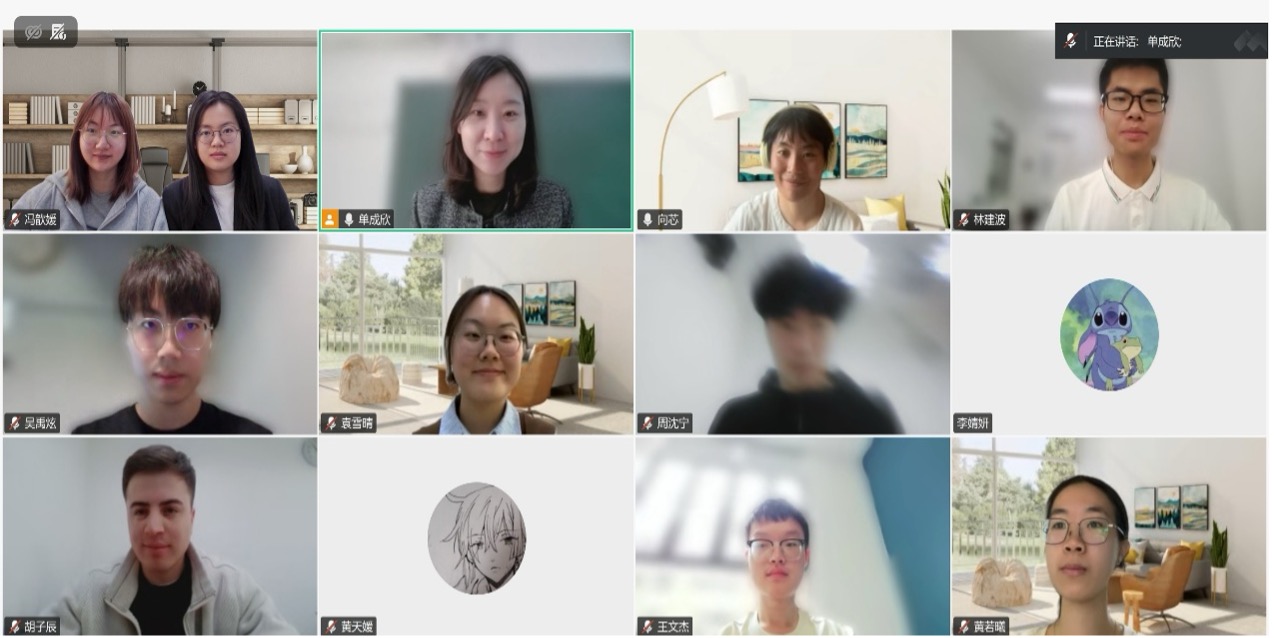
During the discussion session, scholars engaged in an in‑depth exchange. Associate Professor Yiyun Hu first asked Associate Professor Xin Xiang about the reasons for adopting the dialogic teaching method. Associate Professor Xiang pointed out that the critical moment leading her to introduce this method was her observation of the prevalent tension among targeted pre‑service teachers between policy requirements and their personal educational beliefs. She argued that dialogic teaching not only supports the knowledge construction of ordinary students but also offers a unique space for identity reflection for targeted pre‑service teachers, helping them shift from passive “fulfillers” to active “actors”. Afterwards, student representatives present shared their original motivations for choosing to become publicly funded pre‑service teachers, and compared the differences between dialogic teaching and traditional classroom instruction. The students noted that dialogic teaching places greater emphasis on equal communication and critical reflection. Looking ahead, they expressed a willingness to try using dialogic teaching methods in their own teaching practice, especially in key situations such as handling value conflicts among students and building trusting teacher‑student relationships.
Click on this link to read the full text of NORRAG’s 10th Chinese Special Issue “Education for Societal Transformation: Alternatives for a Just Future”:
f